Peptide Screening: Hplc & Mass Specification Purity Overview Pinnacle
Comprehending Peptide Pureness Screening
During solid-phase synthesis, each amino acid coupling step has a yield of about 99-- 99.8%. When a combining falls short, the expanding chain is topped to prevent more elongation of the inaccurate series. The result is a peptide that's shorter than meant-- missing several amino acids.Recap: What A Research-grade Coa Should Include
- In addition to RP HPLC, our skilled researchers can also offer details on the molecular weight of peptides identified by mass spectrometry.
- A peptide can be 98% pure (indicating really few peptide impurities) yet still include some water or trifluoroacetate salt; those non-peptide elements would certainly be reflected in the web peptide content as opposed to the pureness portion.
- Because contaminations generally vary from the target peptide by a minimum of one amino acid, they have slightly various hydrophobicities and appear as different peaks on the chromatogram.
- Discover flagship research peptides with batch-specific COA documents and HPLC/MS verification.
- However peptide purity is perhaps the solitary most important quality metric for any study peptide.
Along with RP HPLC, our skilled scientists can also supply information on the molecular weight of peptides figured out by mass spectrometry. Matrix-assisted laser desorption ionization time-of-flight mass spectrometry (MALDI-TOF MS) and electrospray ionization mass spectrometry (ESI MS) are the two most frequently used approaches. This post is offered educational and research referral objectives only. All peptides marketed by Pinnacle Laboratory are designated exclusively for in-vitro research laboratory research study usage and are except human consumption. Peptide screening Lyophilized Powder documentation ought to be taken batch-level logical proof for study material, not as clinical-use permission. Apex's Just how to Review a Peptide COA guide walks through this procedure detailed.
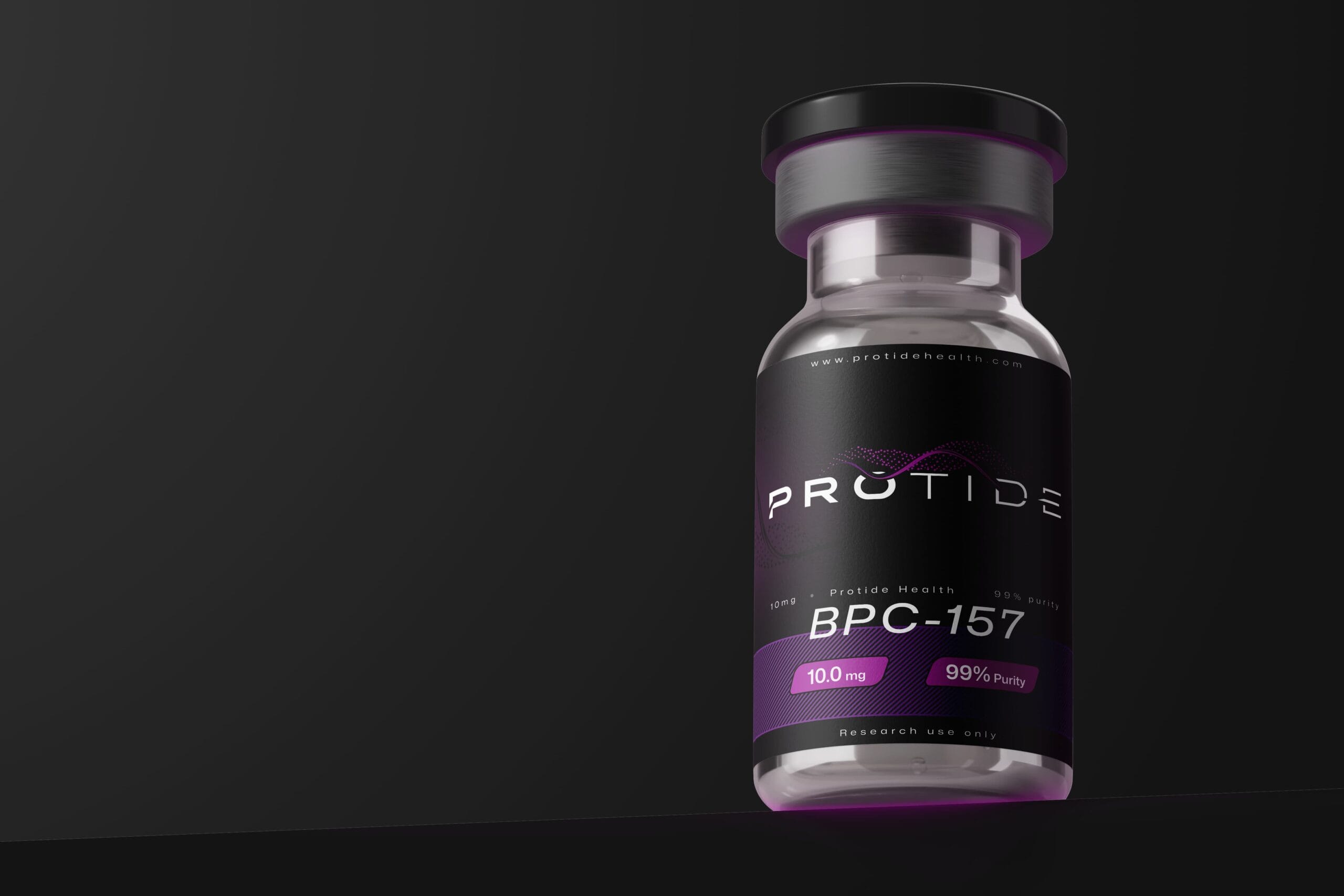
Peptide Purity Evaluation Solution

Tests can be performed making use of high-precision stabilization chambers, simulating different settings, and using international standards to research short-term and long-lasting security, critical for constant peptide performance. Some peptides fail not due to the fact that the series is incorrect, but since their physical behavior in actual solvents is badly comprehended. We offer physical building screening that assists groups work better with tough examples. Mass spectrometry verifies whether the determined mass matches the anticipated peptide mass. The chromatogram is the most essential aesthetic information aspect on an HPLC peptide test record. It is a chart with time on the straight axis and detector feedback, typically UV absorbance, on the upright axis.